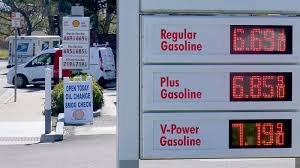
Gas prices in California are already the highest in the country, but things could get a lot worse. According to new warnings from lawmakers and energy experts, prices may go up by 75% in the next two years — possibly reaching $8.43 per gallon by the end of 2026.
This isn’t just a wild guess. The warning comes from California Senate Minority Leader Brian Jones and is based on a detailed study by University of Southern California professor Michael Mische. Their main message: the real reason for rising gas prices in California is not corporate greed, but rather state policies and refinery closures that are shrinking the fuel supply.
What’s Happening?
Two major oil refineries in California are planning to shut down soon:
- Phillips 66 in Los Angeles is closing by the end of 2025
- Valero in Benicia is set to shut down by April 2026
These two facilities supply about 20% of the state’s gasoline. If both close as planned, there will be a huge gap in supply, but demand for fuel will still remain high. This creates a classic supply-and-demand problem — and that’s when prices start to skyrocket.
Professor Mische’s forecast:
- After the first closure, prices could hit $6.43 per gallon
- After the second closure, they might jump to $8.43 per gallon
- This is assuming oil prices stay stable — if global oil prices rise, it could get even worse
Why Are Refineries Closing?
Refining oil into gasoline in California has become very expensive and difficult due to strict environmental laws and uncertainty about the future of gas-powered cars. Some of the challenges include:
- Special fuel blends required only in California
- High taxes and fees
- The Low Carbon Fuel Standard (LCFS) and other green energy laws
- New laws like SBX1-2 and ABX2-1 that add more regulations
- Fear of future bans on gas cars, which makes long-term investments risky
All these rules are meant to protect the environment, but they also make running a refinery in California less profitable and more complicated. That’s why some companies are choosing to leave.
What Could This Mean for Californians?
Senator Jones says this could lead to a serious economic and energy crisis. It’s not just about high gas prices. If these refineries close:
- Around 1,300 people could lose their direct jobs
- Another 3,000 workers in related industries could also be affected
- California would have to import more fuel, mostly by ship, which is slower, riskier, and more expensive
- The state would become more vulnerable to supply chain problems and energy shortages
A Bigger Picture: California’s Fuel Market is Unique
California’s fuel market is mostly cut off from the rest of the country. This is because:
- It uses a special fuel blend that most other states don’t produce
- Environmental rules make it hard to import fuel from other places
- The market is small and isolated — so even a small disruption can cause big price spikes
This means that if local refineries shut down, there aren’t many ways to replace that lost fuel. The result? Prices go up — sometimes sharply.
Is This Really About Greedy Oil Companies?
Despite what some headlines might suggest, multiple investigations (including those by the Federal Trade Commission and the California Energy Commission) have found no solid evidence that oil companies are price gouging or cheating the system.
Instead, experts like Professor Mische say the main reasons for high prices are structural — meaning they come from the way California’s energy policies are built. These include taxes, environmental laws, limited refinery capacity, and a fuel system that’s hard to replace or expand.
What Needs to Change?
Senator Jones and other critics say that California’s leaders, especially Governor Gavin Newsom, need to take this warning seriously. They’re urging the state to:
- Reconsider some of the strict fuel regulations
- Work with the energy industry to find middle-ground solutions
- Offer tax breaks or incentives to keep refineries operating
- Delay or rethink the shutdowns to avoid a crisis
This doesn’t mean giving up on clean energy goals — it means making the transition smarter and more realistic, so families and businesses aren’t hurt in the process.
The Bottom Line
California wants to lead the country in fighting climate change, and that’s an admirable goal. But trying to move too fast — without making sure the energy system stays stable and affordable — can have serious side effects.
If nothing changes, gas prices of $8 per gallon may soon become a reality. That could hit working families, commuters, and small businesses the hardest.
This issue isn’t about choosing between clean energy and affordable gas. It’s about finding a balanced path that protects the planet and supports people through the transition.
As the state pushes toward its green energy future, leaders will have to decide: will they guide that journey responsibly — or let the market decide the outcome, no matter the cost to everyday Californians?
https://forbe.ca/
About the Author