Choosing the right Custom Home Builder in Toronto is a critical step for anyone dreaming of building a unique, personalized home. With the growing popularity of custom-built homes in the Greater Toronto Area, homeowners are increasingly seeking builders who can bring their vision to life with precision, quality, and trust. This article will walk you through every essential consideration you should take when choosing a reputable custom home builder in Toronto, highlighting top companies, evaluating costs, and discussing popular design styles.
Why Choosing the Right Custom Home Builder in Toronto Matters
Building a custom home is likely one of the most significant investments of your life. You’re not just constructing a house; you’re crafting your future home—your safe space. That’s why it’s vital to choose a builder who understands your needs, works transparently, and delivers quality on time.
In a city like Toronto, with its diverse neighborhoods and architectural demands, working with an experienced and reliable custom home builder ensures that your home meets local standards, is energy-efficient, and harmonizes with your lifestyle. A wrong choice could lead to delays, budget overruns, or worse, structural issues. Therefore, selecting a builder is not merely a business decision; it’s a personal one.
Trusted Custom Home Builders in Toronto
Selecting the right builder is a vital step in ensuring the success of your custom home project. Among the top-rated Custom Home Builders in Toronto, Custom Home builders in Toronto has earned a strong reputation for its expertise in custom home construction. Comparable to other well-known names like Kings Gate Luxury Homes Inc and Marvel Homes, Route Homes delivers a comprehensive range of services—from architectural design and planning to full-scale construction and final inspections.
Their seasoned team provides accurate timelines, transparent cost breakdowns, and access to a reliable network of skilled trades. With Route Homes by your side, your luxury custom home can be completed on schedule and within budget, all while maintaining exceptional standards of craftsmanship and design.

Key Qualities of a Reliable Custom Home Builder
Before hiring a Custom Home Builder in Toronto, look for these essential qualities:
1. Experience and Reputation
Look for builders with at least 5–10 years of experience in custom home building. Check their portfolio of completed projects to gauge quality and consistency
2. Licensing and Insurance
Ensure the builder holds all the necessary licenses and is registered with Tarion Warranty Corporation, which protects new home buyers in Ontario. Ask for proof of liability insurance and workers’ compensation to protect yourself from legal or financial issues.
3. Client Reviews and References
Online reviews on Google or other websites can give you a glimpse into customer satisfaction. Additionally, request direct references from the builder and follow up with those homeowners to ask about their experience.
4. Clear Communication
A quality builder maintains transparency throughout the project. This includes regular updates, timely responses to inquiries, and clear communication about budgeting, timelines, and design changes.
5. Warranty and After-Sales Support
A credible builder stands by their work. Look for warranties on workmanship, materials, and structural components. Reliable companies also provide after-sales service for issues that arise post-construction.
Step-by-Step Guide to Choosing a Custom Home Builder in Toronto
Step 1: Research and Create a Shortlist
Start by researching online and compiling a list of custom home builders in Toronto. Visit their websites, review portfolios, and read testimonials. Make a shortlist of 3–5 builders.
Step 2: Compare Project Portfolios
Every builder has a distinct style. Compare their previous work to see if it aligns with your vision. Some may excel in ultra-modern designs, while others may specialize in heritage-style homes.
Step 3: Conduct Interviews
Schedule meetings with each builder. Ask about their processes, subcontractors, materials used, and timeline expectations. These interviews also help assess their communication style and professionalism.
Step 4: Request Detailed Proposals
A good builder will provide a detailed estimate that includes:
- Breakdown of costs (labor, materials, permits)
- Estimated timeline
- Milestones for payment
- Contingency plans
Step 5: Visit Past Projects
Ask to tour one or two completed homes. In-person visits allow you to assess build quality, finishing details, and layout functionality.
Step 6: Review Contracts Carefully
Before signing, ensure the contract includes:
- Complete scope of work
- Timeline with penalties for delay
- Payment schedule
- Warranty terms
- Conditions for cancellation or dispute resolution
Popular Custom Home Styles in Toronto
Toronto is a blend of historic charm and modern innovation. Here are the most popular styles in the city:
1. Modern and Contemporary
Open layouts, floor-to-ceiling windows, and minimalistic finishes define this popular style. Builders use high-end materials like glass, steel, and polished concrete to create sleek and functional spaces.
2. Traditional or Heritage-Inspired
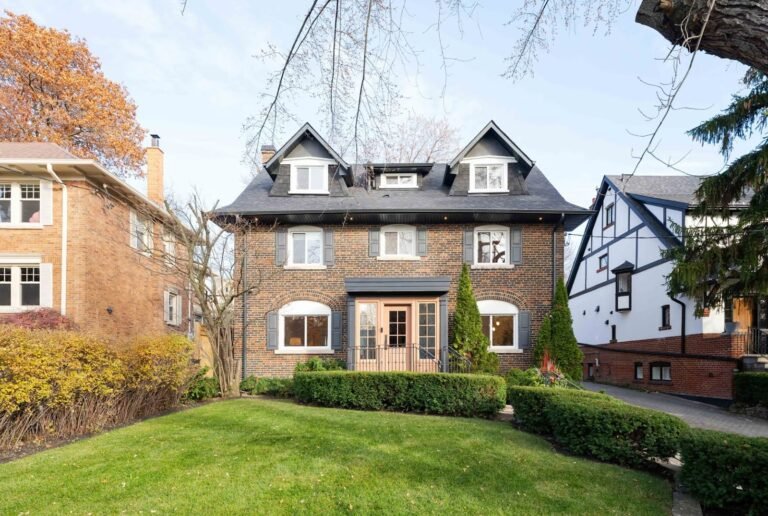
Featuring brick facades, gabled roofs, and symmetrical designs, this style is ideal for neighborhoods with older homes. Many families appreciate the warmth and charm of traditional designs paired with modern interiors.

3. Transitional
This style combines the best of both worlds: clean lines of modern architecture with the comfort and warmth of traditional elements. Neutral tones, detailed moldings, and functional spaces are key features.
Factors Affecting the Cost of Building a Custom Home in Toronto
The cost of a custom home in Toronto can vary dramatically based on several factors. On average, expect to pay between $300 to $600 per square foot, depending on your choices.
1. Land and Location
The cost of land is one of the most significant variables. Lots in downtown Toronto or popular neighborhoods like The Annex or Rosedale are more expensive than suburban areas like Etobicoke or Scarborough.
2. Architectural Design
Unique floor plans, specialty roofing, large windows, and high ceilings all increase design costs. Hiring a renowned architect can also add to your budget but often results in a more efficient and beautiful home.
3. Materials and Finishes
Imported tiles, hardwood floors, marble countertops, and smart home systems increase costs. Choosing locally sourced materials or mid-range finishes can help manage your budget.
4. Labor and Project Management
Experienced tradespeople cost more but often work more efficiently. Builders who use their own dedicated teams may offer better quality control than those who subcontract everything.
5. Permits and Legal Requirements
Toronto’s zoning regulations and building permits are another cost factor. For instance, building in heritage zones requires additional permissions and architectural reviews.

Common Mistakes to Avoid When Hiring a Custom Home Builder
Avoid these pitfalls to ensure a smooth experience:
- Focusing only on price: Cheapest isn’t always best. Low prices may mean poor quality materials or rushed jobs.
- Not checking references: A builder’s past clients can offer invaluable insights.
- Rushing into a contract: Take time to review the terms, and consult a lawyer if needed.
- Ignoring red flags: Poor communication, vague estimates, or hesitation to provide references are warning signs.
How to Stay Involved During the Construction Process
Even if you hire the best Custom Home Builder in Toronto, staying involved ensures your satisfaction. Here’s how:
- Attend Site Visits: Regular visits allow you to spot issues early and ensure progress matches expectations.
- Request Weekly Updates: Ask for progress reports, budget updates, and images.
- Maintain Open Communication: Discuss concerns early rather than letting them pile up.
- Track Your Budget: Monitor costs in real-time and keep an eye on your contingency fund.
Custom Home Trends in Toronto
As the real estate and construction landscape evolves, custom homes in Toronto are increasingly embracing modern, sustainable, and functional design trends. Homeowners today are more informed and selective, seeking homes that not only look stunning but also align with their values, lifestyles, and future needs. While aesthetics remain important, new priorities like energy efficiency, adaptability, and wellness are now taking center stage.
Below, we explore the most significant custom home trends in Toronto, offering insights into how local preferences blend with global design innovations:
1. Energy-Efficient and Eco-Friendly Homes
Sustainability is no longer a luxury—it’s a necessity. In a city like Toronto, where environmental consciousness is rising, many homeowners are prioritizing green building technologies when designing custom homes. Builders are responding by incorporating eco-friendly materials, high-efficiency systems, and innovative energy-saving solutions.
Key features of energy-efficient custom homes in Toronto include:
- Smart Thermostats (e.g., Nest, Ecobee): These systems learn homeowner behavior and optimize heating/cooling accordingly, helping reduce utility costs.
- Triple-Glazed Windows: Provide superior insulation, reduce noise, and improve thermal performance.
- Solar Panels and Battery Storage: More homeowners are investing in solar technology to reduce grid dependence and even sell energy back to the grid.
- Heat Recovery Ventilators (HRVs): Improve indoor air quality while conserving energy.
- Energy Star Appliances and LED Lighting: Common choices in kitchens, laundry rooms, and entertainment areas.
Toronto’s building codes are also becoming more stringent, requiring builders to adhere to better insulation standards, air sealing, and water-saving technologies.
2. Multi-Functional and Adaptive Spaces
Post-pandemic lifestyles have redefined how we use our homes. The rise of remote work, online learning, and home-based wellness has increased the demand for spaces that serve more than one purpose. Toronto homeowners are now seeking versatility in their layouts to future-proof their investments.
Popular multi-functional spaces in Toronto’s custom homes include:
- Home Offices: Often located near natural light sources, with soundproofing, built-in shelving, and tech-friendly setups.
- Home Gyms: From yoga studios to fully equipped fitness rooms with ventilation, rubber floors, and mirrored walls.
- In-Law or Guest Suites: With independent entrances, kitchenettes, and private bathrooms, these suites support multi-generational living.
- Flex Rooms: Spaces that can function as playrooms, libraries, guest rooms, or hobby areas—depending on evolving family needs.
- Finished Basements: Transformed into movie theatres, gaming lounges, or wine cellars to add both value and usability.
The ability to adapt rooms over time has become a crucial design consideration, especially in urban neighborhoods where lot sizes may be limited.
3. Outdoor Living Spaces: Bringing the Indoors Out
Toronto’s climate may be seasonal, but that hasn’t stopped homeowners from embracing outdoor living as a core part of their custom home designs. From spring through fall, outdoor areas serve as extensions of the home—perfect for entertaining, relaxing, and enjoying nature without leaving the property.
Key outdoor living trends include:
- Rooftop Terraces: Especially popular in downtown Toronto, where backyard space is scarce. These terraces are equipped with seating areas, pergolas, and even mini gardens.
- Covered Patios and Heated Decks: Allow year-round usability with features like infrared heaters, retractable awnings, and fire pits.
- Outdoor Kitchens: Complete with built-in barbecues, sinks, refrigerators, and even pizza ovens. Perfect for hosting summer gatherings.
- Luxury Landscaping: Water features, ambient lighting, native plant gardens, and stone pathways that enhance curb appeal and tranquility.
- Wellness Features: Outdoor hot tubs, plunge pools, and sauna huts are being included for spa-like experiences at home.
Many custom home builders in Toronto now design outdoor spaces with biophilic principles in mind—enhancing the homeowner’s connection to nature, which supports mental well-being and stress reduction.
4. Use of Natural and Sustainable Materials
The preference for natural textures and organic elements continues to grow in Toronto’s custom homes. These materials not only elevate visual appeal but also align with sustainable and healthy living principles.
Popular materials and finishes include:
- Reclaimed Wood: Used for accent walls, ceiling beams, and flooring. It adds character and reduces the demand for new timber.
- Natural Stone: Granite, limestone, and quartz are favored for countertops, fireplaces, and exterior facades.
- Clay and Terracotta Tiles: Used for backsplashes and flooring, especially in Mediterranean-style homes.
- Limewash Paints and Earthy Color Palettes: These finishes create a calming, timeless ambiance.
- Bamboo and Cork Flooring: Highly sustainable and increasingly common for their durability and low environmental impact.
Homeowners are also prioritizing non-toxic paints, VOC-free adhesives, and formaldehyde-free cabinetry, enhancing indoor air quality and promoting a healthier lifestyle for families.
5. Smart Homes and Automation Integration
While not unique to Toronto, the smart home trend is accelerating rapidly in the city’s custom builds. Clients want the ability to control security, lighting, entertainment, and climate with the tap of a button—or a voice command.
Smart home features on the rise:
- Integrated Security Systems: Including smart locks, doorbell cameras, and motion-activated outdoor lights.
- Centralized Control Panels or Apps: Managing everything from blinds to sprinkler systems.
- Voice-Activated Assistants: Like Alexa or Google Assistant, controlling smart appliances and entertainment systems.
- Automated Lighting and Shades: Based on time of day or occupancy to enhance energy savings and mood.
- Smart Appliances: Refrigerators with touchscreens, ovens with remote control features, and washers that sync with your phone.
Home automation not only adds convenience but also improves home efficiency, safety, and long-term value.
6. Luxury Bathrooms and Wellness Spaces
Wellness continues to influence custom home trends, and this is particularly evident in bathroom designs. Homeowners are looking to recreate the spa experience at home, with high-end finishes and relaxation features.
Trending features include:
- Steam Showers and Soaker Tubs: Offering therapeutic benefits and luxury appeal.
- Double Vanities and Custom Cabinetry: Adding function and style.
- Heated Flooring: Especially valuable during Toronto’s cold winters.
- Ambient Lighting and Bluetooth Speakers: Enhancing the sensory experience.
- Natural Light and Skylights: To create a serene and open environment.
Additionally, wellness rooms, meditation spaces, or indoor green walls are being incorporated into luxury custom builds for a more holistic lifestyle.
7. Minimalist and Open-Concept Designs
Toronto custom homes continue to favor open floor plans and minimalist aesthetics. These designs prioritize flow, natural light, and simplicity—perfect for modern urban living.
Features that define this trend:
- Fewer Walls, More Flow: Seamless transitions between living, dining, and kitchen areas.
- Hidden Storage: Built-ins that reduce clutter and maintain a clean look.
- Neutral Palettes: Whites, greys, taupes, and warm beiges dominate interiors.
- Integrated Lighting and Clean Lines: Creating a sleek, polished appearance.
This trend also supports aging-in-place design strategies, making homes more accessible and functional for all life stages.
Conclusion: Staying Ahead of the Curve with Custom Home Trends in Toronto
The custom home market in Toronto is dynamic, driven by innovation, technology, and changing lifestyles. Whether you’re prioritizing sustainability, planning a multigenerational home, or simply want to bring nature closer to your daily life, today’s trends offer endless possibilities.
By understanding and embracing these trends—from smart automation to outdoor sanctuaries—you can work with your Custom Home Builder in Toronto to create a space that not only meets current needs but also grows with you in the future.
A skilled builder will not only be aware of these trends but will also guide you through the options best suited for your budget, tastes, and long-term plans, turning your dream home into a reality that reflects the best of modern living in Toronto.
About the Author